What Matters When Choosing an LED Face Mask?
LED face masks can look remarkably similar while costing anywhere from under $200 to $800 or more. Compare them online and you'll quickly run into wavelength counts, LED counts, irradiance figures, treatment modes, apps, clinical percentages, FDA clearance, and claims about why one approach is more advanced than another.
But those differences don't all matter equally.
The best LED face mask isn't necessarily the one with the longest spec sheet. It's the one that delivers an appropriate treatment for your goal, fits your budget, and is practical enough that you'll use it consistently.
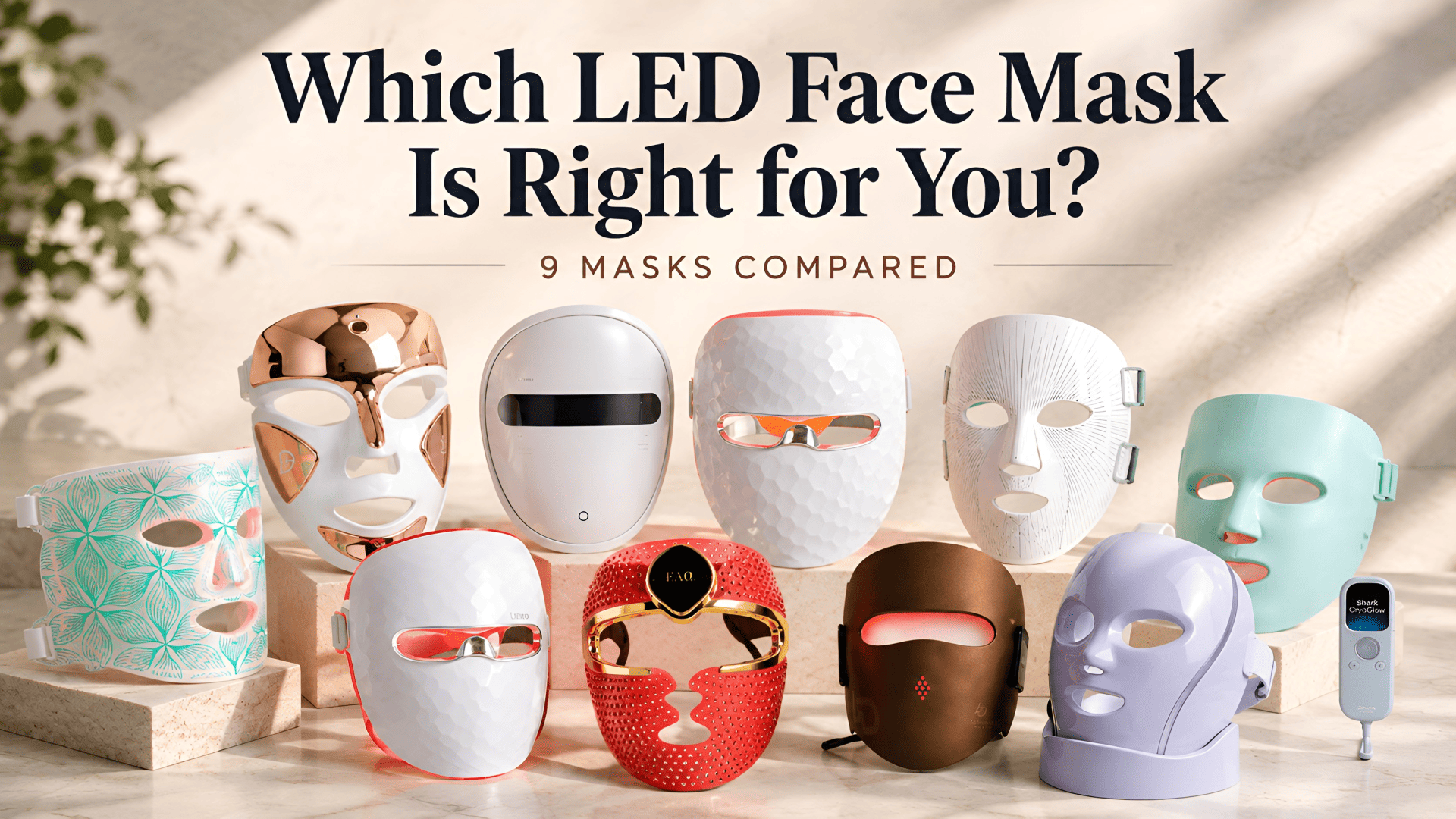
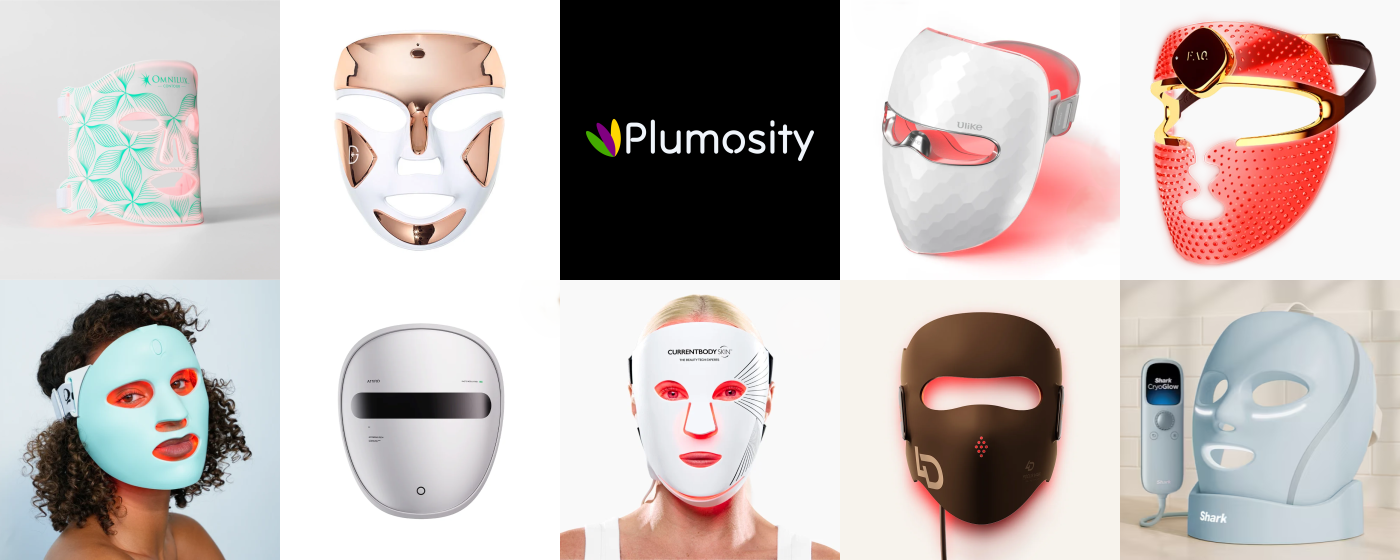
We compared nine leading options around the factors that can change the buying decision: treatment goal, supporting evidence, treatment time, usability, product differentiation, warranty and returns, and price.
The Short Answer: Which LED Face Mask Should You Buy?
| If You Want... | Our Pick | Why It Stands Out |
|---|---|---|
| Focused anti-aging | Omnilux Contour Face | Focused 633/830 nm treatment with the cleanest evidence case in this comparison |
| Feature-rich anti-aging | CurrentBody Skin LED Mask Series 2 | Adds broader coverage, updated fit, and a 1072 nm channel |
| Aging + blemishes | Shark CryoGlow | Strong balance of wrinkle + acne treatment, usability, cooling, warranty, and price |
| Customizable aging + blemishes treatment | Qure Q-Rejuvalight Pro | Three-minute treatments and five-zone customization, with an ownership caveat |
| The easiest routine to stick with | Dr. Dennis Gross DRx SpectraLite FaceWare Pro | Simple three-minute treatment with aging + acne modes |
| Value around $300 | Ulike ReGlow | Strong treatment, warranty, regulatory, and price combination |
| Premium usability | FOREO FAQ 202 | Excellent wearable design, although its therapeutic value at $799 is harder to justify |
| Budget/spec value | AMIRO Spectra | Five wavelengths and a large feature set for about $180, but with less independently verifiable support |
| A different light-therapy approach | JOVS 4D Laser Light Therapy Mask | A laser/VCSEL system rather than another conventional LED variation |
| Best for most buyers | Shark CryoGlow | The best overall balance for buyers without a specialized priority |
Important: These are buying recommendations, not claims that one mask has been clinically proven superior to another in a head-to-head trial.
When we refer to blemish treatment, we're primarily discussing inflammatory acne—the concern addressed by the blue-light indications relevant to several of these devices. We're not using “blemishes” to mean pigmentation, blackheads, post-acne marks, or every other skin concern.
Start With Your Goal, Not the Spec Sheet
Before comparing masks, decide what you're trying to treat.
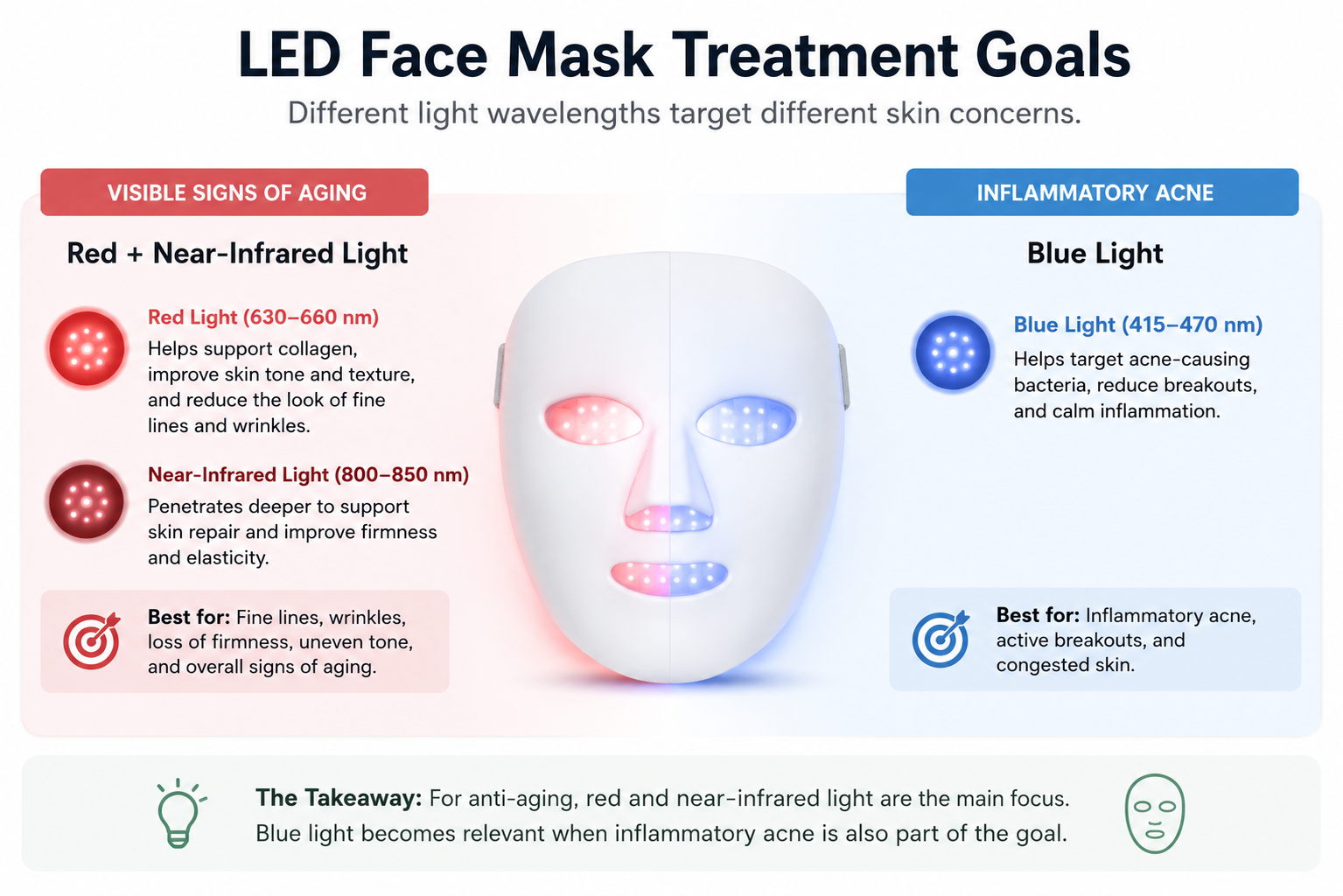
If your main concern is visible signs of aging, red and near-infrared light are the technologies that matter most here. Randomized and clinical studies have reported improvements in wrinkles, elasticity, and photoaged skin using 633 nm red and 830 nm near-infrared LED treatment. Red light works closer to the surface, while near-infrared reaches deeper tissue; in practice, many anti-aging devices pair the two rather than asking you to choose between them.
That makes focused products such as Omnilux Contour Face and CurrentBody Series 2 more relevant than a device simply because it offers more colors. For an aging-focused buyer, the key question is whether added wavelengths or hardware bring a benefit you care about—not whether the specification list is longer.
If inflammatory acne is also a concern, blue light changes the product pool. Blue light is used for acne because it targets acne-related bacteria closer to the skin's surface, while red light can complement it. Combination blue/red LED phototherapy has controlled clinical support, which is why Shark CryoGlow, Qure Q-Rejuvalight Pro, Ulike ReGlow, and Dr. Dennis Gross FaceWare Pro become more relevant.
The same logic applies to irradiance. It's useful to know how much light power a device delivers, but a single advertised number doesn't tell you which mask works best. Treatment time, dose, coverage, distance, geometry, and measurement method all affect what that number means.
More technology can be useful. It isn't automatically more useful for your goal.
Sources: Photoaging study · Acne study · CurrentBody Series 2
Best for Focused Anti-Aging: Omnilux Contour Face vs. CurrentBody Series 2
Our Pick: Omnilux Contour Face
Omnilux Contour Face is the more focused of these two premium anti-aging masks. It uses 132 LEDs—66 red and 66 near-infrared—delivering 633 nm red and 830 nm near-infrared light. Treatments take 10 minutes, with Omnilux recommending three to five sessions per week for four to six weeks before maintenance as desired.
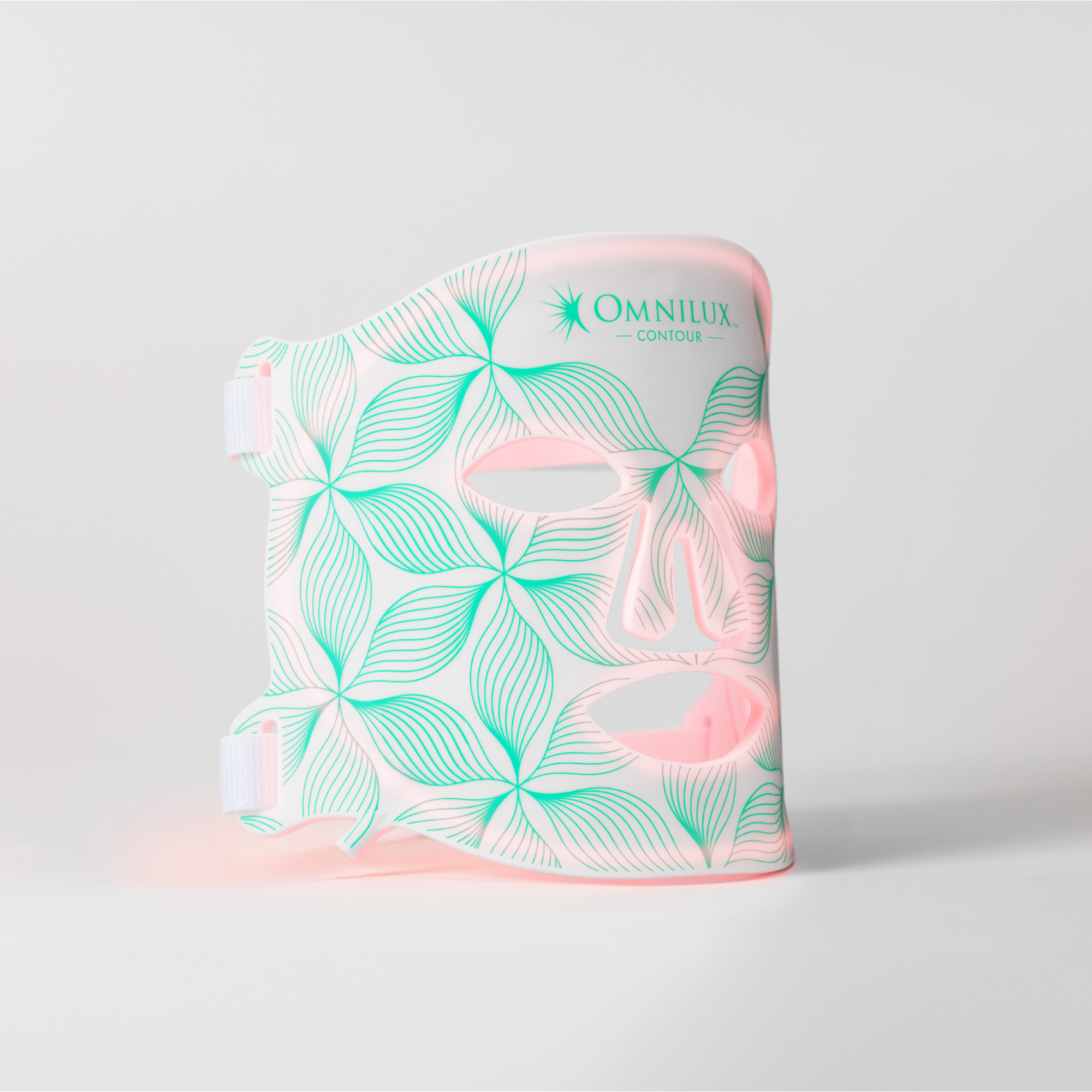
It currently costs $395, with a 30-day money-back guarantee and a two-year warranty. FDA's device database maps the current Contour Face model to K191629 for over-the-counter wrinkle reduction.
The bigger reason we prefer it is the treatment proposition itself. The 633/830 nm pairing has a long clinical history, including published research involving Omnilux systems and broader research using those wavelengths for photoaging. You aren't paying for a long menu of colors or app-controlled routines; you're paying for a focused red/NIR treatment with a simple schedule.
That history shouldn't be overstated: not every Omnilux study tested the exact Contour Face mask sold today. But for a buyer whose main goal is visible signs of aging, Omnilux gives us a straightforward combination of established wavelengths, a simple protocol, regulatory support, and a lower price than CurrentBody Series 2.
The main limitation is equally clear. Contour Face is not the mask we'd choose if acne treatment, app customization, multiple treatment modes, or under-eye cooling are high priorities. Its strength comes from being specialized, and that specialization only makes sense if anti-aging is the job you want it to do.
Sources: FDA K191629 · Omnilux Contour Face · Clinical study
Why CurrentBody Series 2 Is Still Compelling
CurrentBody Series 2 takes a more feature-rich approach. It uses 236 bulbs: 110 at 633 nm, 110 at 830 nm, and 16 at 1072 nm. The newer design also adds more chin and jaw coverage, a multiway strap system, and removable eye inserts.
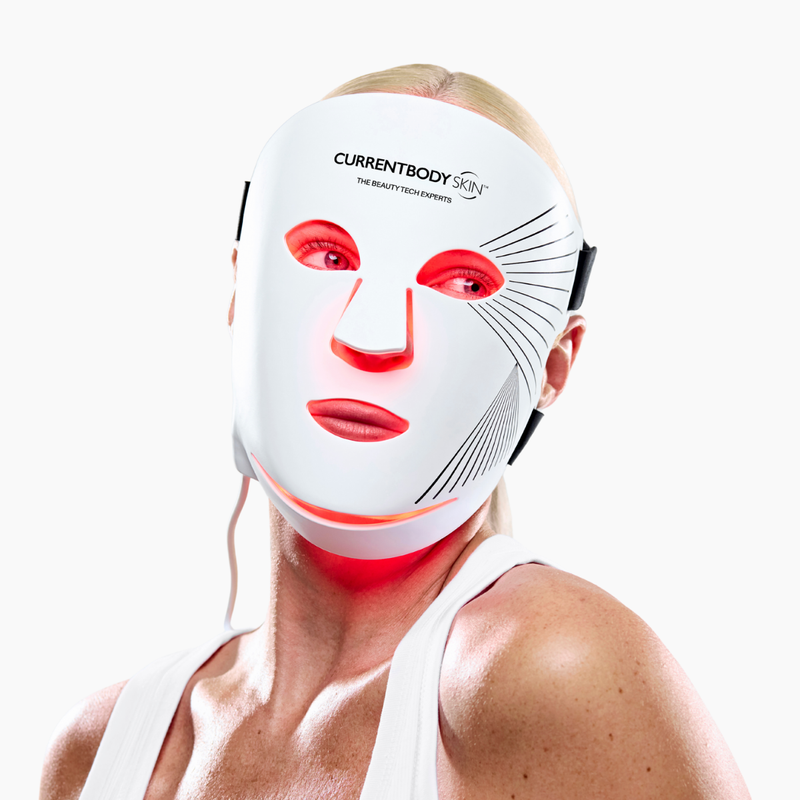
Treatments take 10 minutes, three to five times per week. The current U.S. price is $469.99. FDA K250966 directly identifies Series 2, model MK-90H, for over-the-counter wrinkle reduction.
One distinction is worth keeping straight: the public FDA technical documentation describes the 633 and 830 nm channels, while CurrentBody's retail specification also includes 16 bulbs at 1072 nm. Series 2 itself is FDA-cleared, but that doesn't mean the 1072 nm channel has been shown to make it better than Omnilux.
CurrentBody also publishes 56-day Series 2 testing by SGS and Eurofins. That gives the current product useful supporting data, but not a head-to-head result showing that Series 2 outperforms Contour Face. The added 1072 nm channel is therefore best treated as an extra feature for buyers who value newer hardware and broader wavelength coverage—not as proof that the higher-priced mask will produce better results.
Its Series 2 page currently offers a 60-day money-back guarantee, subject to a 10% restocking fee, plus a two-year warranty.
Sources: FDA K250966 · CurrentBody Series 2
Plumosity Pick: Omnilux Contour Face
Omnilux is our pick for focused anti-aging because its simpler 633/830 nm proposition is easier to justify on the evidence and costs less. Choose CurrentBody instead if you specifically value the updated fit, added coverage, and 1072 nm channel.
Best for Aging + Blemishes: Shark CryoGlow vs. Qure vs. Ulike vs. DDG
Shark CryoGlow, Qure Q-Rejuvalight Pro, Ulike ReGlow, and Dr. Dennis Gross FaceWare Pro all make sense if you want to address both visible aging and inflammatory acne. Their differences are less about who has the longest spec sheet and more about balance, customization, price, and treatment time.
Our Pick: Shark CryoGlow
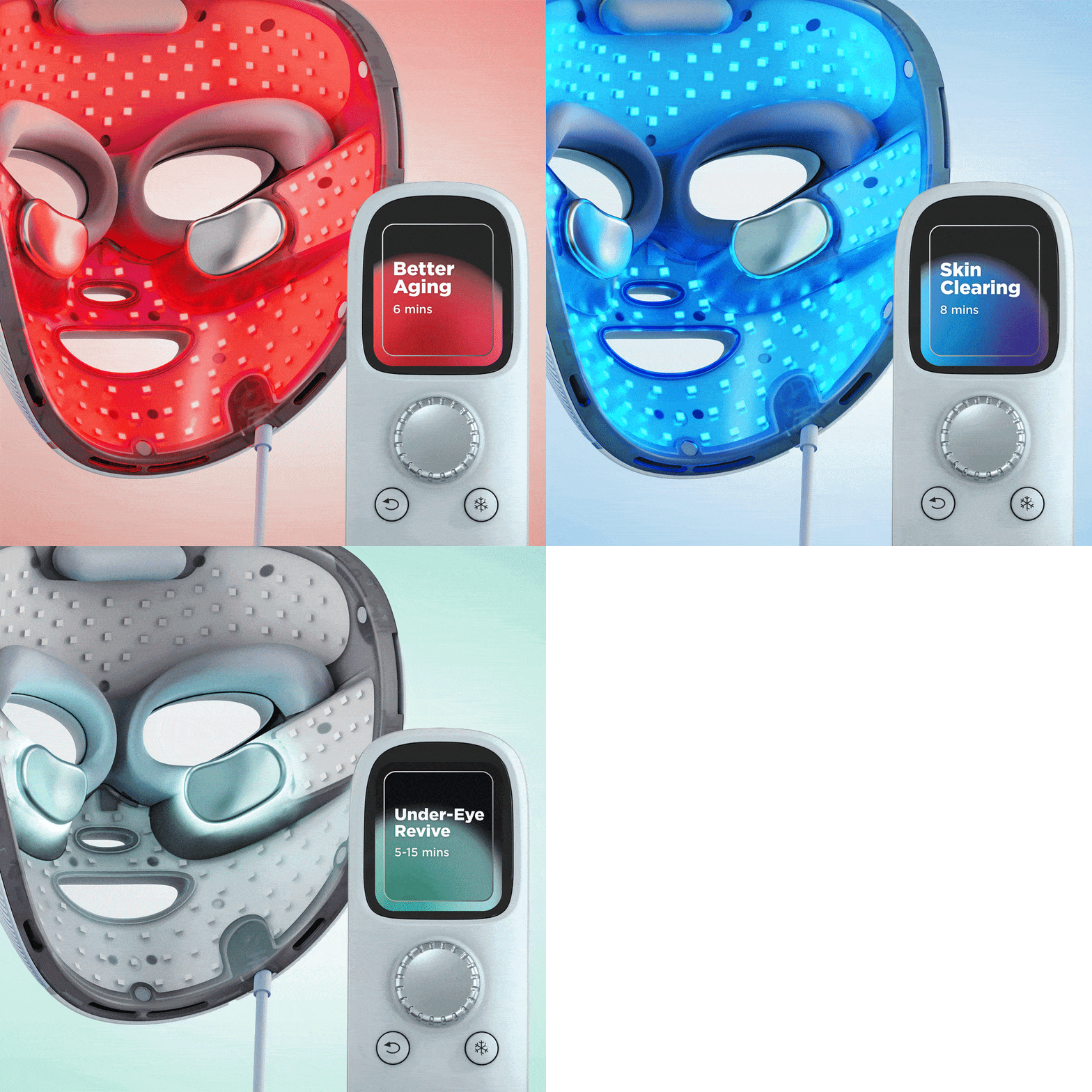
Shark gives the broadest range of buyers the best overall balance. FDA K242796 documents 630 nm red, 415 nm blue, and 830 nm infrared light. Its wrinkle program uses red + infrared, while the acne indication uses red + blue + infrared for mild-to-moderate inflammatory acne.
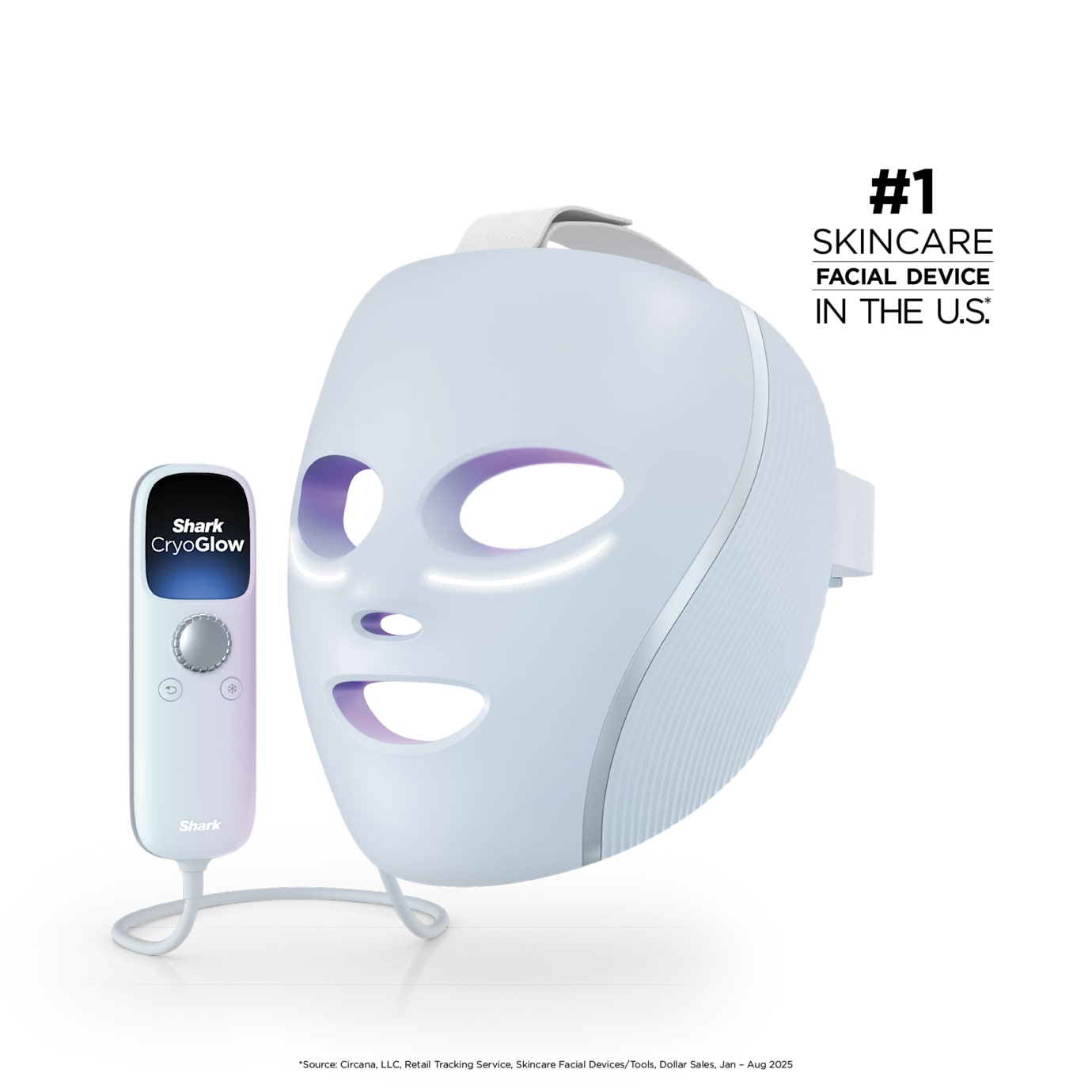
The Better Aging routine takes about 6.4 minutes and Skin Clearing about 8.4 minutes in the FDA documentation; Shark rounds those to six and eight minutes for consumers. CryoGlow currently costs $349.99, carries a two-year limited warranty, and comes with a 60-day money-back guarantee on direct U.S. purchases.
Sources: FDA K242796 · Shark CryoGlow
Why the Cooling Matters
CryoGlow also has something the other masks don't: active under-eye cooling. The cooling can run with the LED treatment or on its own. FDA documentation treats it separately from the wrinkle and acne indications, so we wouldn't claim that cooling makes the light treatment more effective.
What it does do is add a different function instead of another variation on the same LED spec. If the cooling experience appeals to you, that's a more tangible reason to pay for an extra feature than simply adding another color.
The tradeoffs are straightforward. CryoGlow is bulkier than flexible silicone masks, and its six- to eight-minute routines are longer than the three-minute treatments from Qure and DDG. The cooling system also adds hardware and some fan noise, so buyers who want the lightest or quietest mask may prefer a simpler design.
What keeps Shark on top is that none of those drawbacks undermines the core purchase. You still get a clearly documented wrinkle + acne treatment, treatment times that are short enough for daily use, a two-year warranty, and a price below Qure, DDG, CurrentBody, FOREO, and JOVS.
Plumosity Pick: Shark CryoGlow
Shark wins because it asks the fewest compromises from a broad buyer: clear wrinkle + acne treatment, reasonable session times, a differentiated cooling feature, a two-year warranty, and a $349.99 price. It's also our Best for Most Buyers pick.
Qure Q-Rejuvalight Pro: Best for Customization
Qure's advantage is personalization. Its three-minute treatment can be customized across five facial zones through the Qure app. FDA K230042 covers wrinkles and mild-to-moderate inflammatory acne, with 605, 630, 660, and 880 nm used for wrinkle treatment and 415 + 630 nm for acne.

That zoning can matter if different parts of your face have different priorities. If your forehead is mostly an aging concern but breakouts cluster around your jawline, Qure gives you more control than a single full-face mode. It is a real functional difference rather than another specification you may never use.
Qure currently lists at $399, with a 30-day money-back guarantee and a one-year warranty.
Sources: FDA K230042 · Qure product · Verified-purchase reviews
If you specifically want three-minute treatments with facial zoning, Qure may be worth choosing over Shark. If you don't need that customization, Shark is the easier default recommendation.
Ulike ReGlow: Best Lower-Priced All-Rounder
At $299, Ulike ReGlow sits below most of the premium masks without giving up much on paper. It uses 272 LEDs at 630 nm red, 830 nm infrared, 590 nm yellow, and 465 nm blue across four modes.
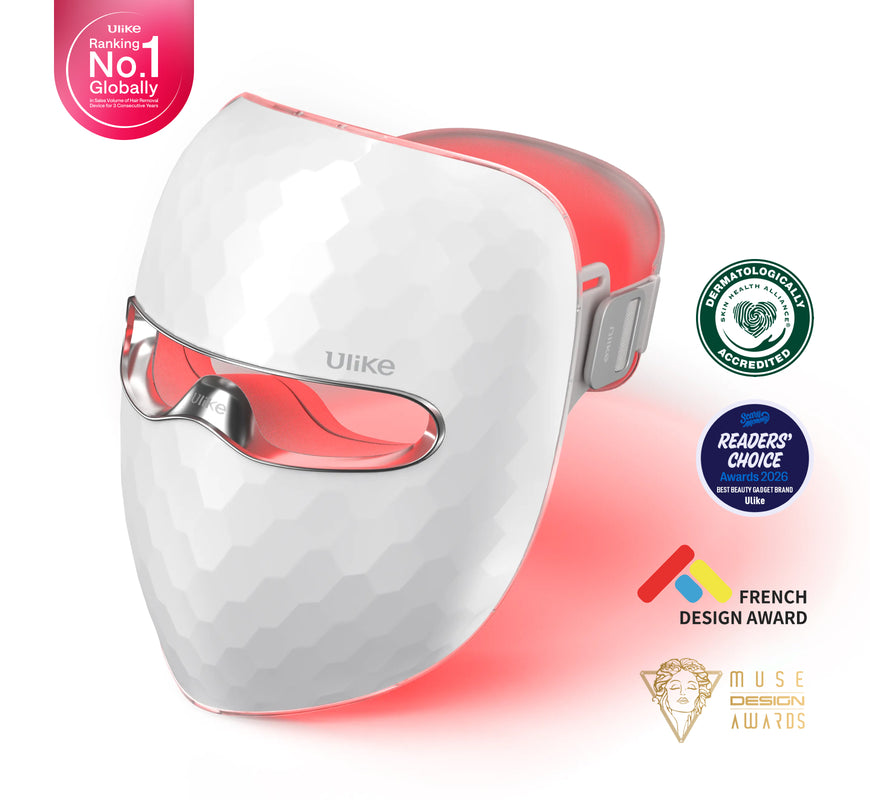
The exact ReGlow UM10 received traditional FDA clearance under K243492 in January 2025, with both wrinkle-reduction and acne-treatment product codes. A later Special 510(k), K260511, was cleared in March 2026 following device modifications.
Ulike recommends three sessions per week. Glow and Clear modes last five minutes, while Firm and Rejuvenate last eight. That is a lighter weekly commitment than Shark's daily initial routines, though not as fast per session as Qure or DDG. The company currently offers a 100-day guarantee and two-year warranty.
Sources: FDA K243492 · FDA K260511 · Ulike ReGlow
If you want wrinkle + acne capability while keeping the price around $300, Ulike is the most convincing option in this group.
Dr. Dennis Gross FaceWare Pro: Best for Simplicity
DDG's advantage is simple: three minutes. FaceWare Pro offers red, blue, and combination treatments with automatic shutoff. Current manufacturer specifications list 630 nm red, 880 nm near-infrared, 605 nm amber, and 415 nm blue.
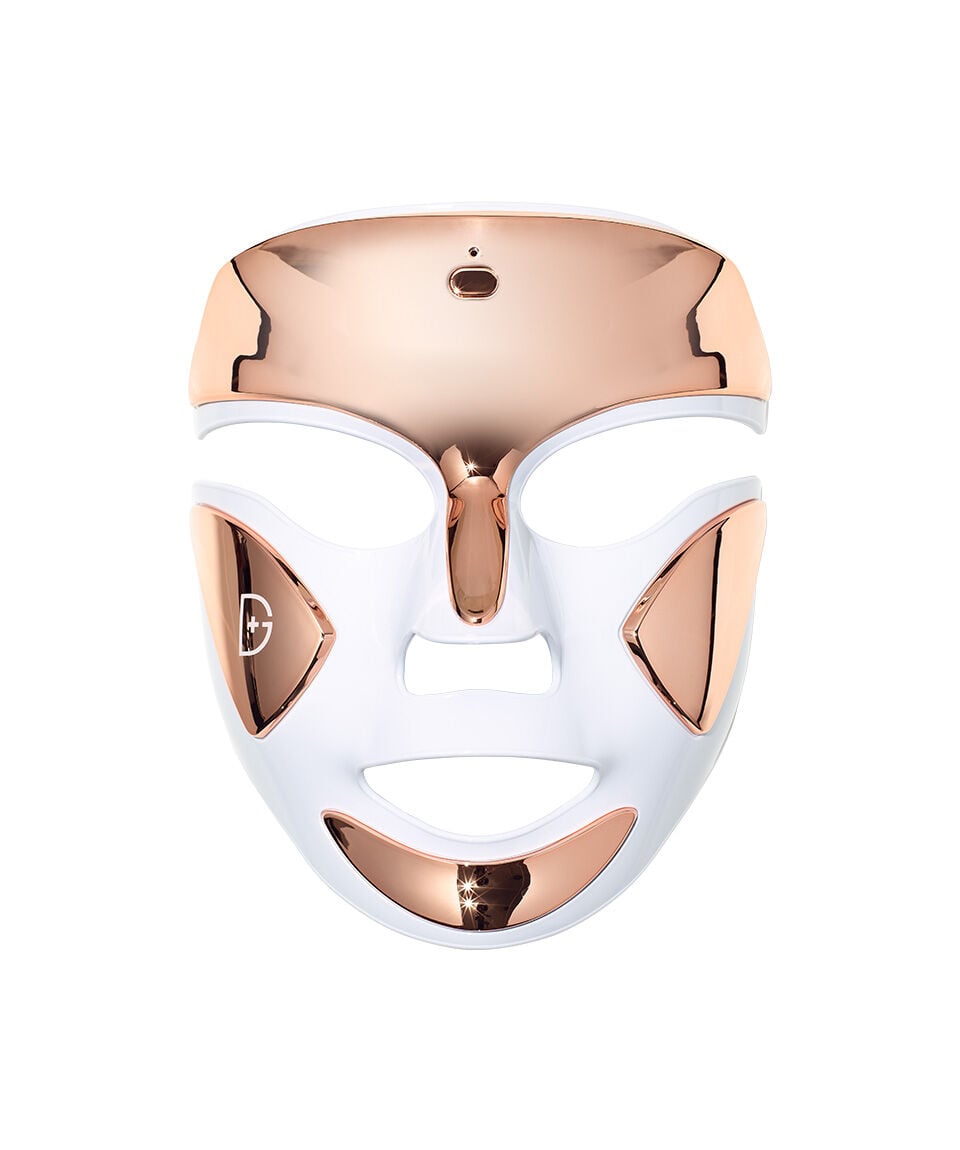
The current FaceWare Pro is listed in FDA's device database under both wrinkle-reduction and acne-treatment classifications. Unlike several competitors, the public FDA record doesn't expose the corresponding premarket submission number for the current model.
FaceWare Pro currently costs $455. It carries a one-year warranty, which must be registered within 30 days, and a 30-day return period on direct purchases.
Sources: FDA GUDID record · DDG FaceWare Pro
If long skincare routines are the reason devices end up in a drawer, DDG is easy to understand: put it on, choose a mode, wait three minutes, and you're done. The rigid shell is less flexible than silicone masks, but the tradeoff is a routine with almost no setup or decision-making.
The Four-Way Decision
Choose based on the priority that matters most to you.
Best default
Best overall balance of wrinkle + acne treatment, usability, warranty, and price.
Customization
Three-minute treatments with five-zone facial personalization.
Value
The strongest lower-priced package at $299, with wrinkle + acne treatment and a two-year warranty.
Simplicity
The easiest routine here: choose a mode and finish in three minutes.
If Consistency Is a Concern, Buy for Adherence
LED masks only have a chance to work if you keep using them. That makes session length, fit, straps, eye access, charging, controls, and freedom to move around legitimate buying factors.
Shortest routine
DDG FaceWare Pro
Choose a mode, complete the three-minute treatment, and move on.
Best for: anyone likely to abandon a routine that takes more than a few minutes.
Speed + control
Qure Q-Rejuvalight Pro
Three-minute sessions keep treatment short while five facial zones preserve customization.
Best for: anyone who wants a fast routine without giving up treatment customization.
Most wearable
FOREO FAQ 202
Flexible silicone, wireless use, open eyes and mouth, and app-controlled routines make treatment less restrictive.
Best for: anyone more likely to stay consistent when they can move around and multitask.
If you've abandoned skincare devices before, we'd give adherence more weight than a marginal specification advantage.
Is a $799 LED Mask Actually Worth It? FOREO FAQ 202
Our Pick for Premium Usability: FOREO FAQ 202
FOREO FAQ 202 is a useful test of what a premium price buys. It uses a lightweight flexible-silicone design with wireless operation, open eyes and mouth, app-controlled routines, and what FOREO calls 600 LED light points. The current price is $799, with a two-year warranty.
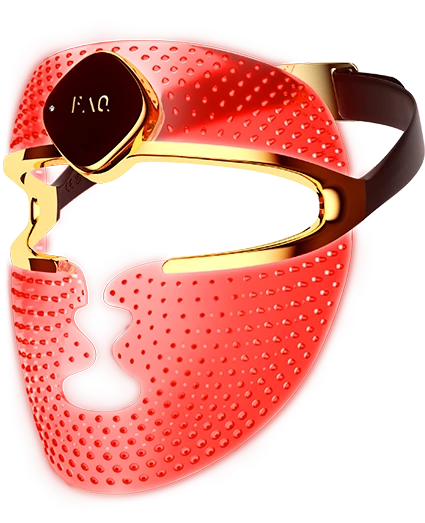
The design is easy to live with. You can move around while wearing it, and sessions can run up to 15 minutes with additional routines available through the app. That matters because FOREO is not competing primarily on short treatment time; it's trying to make the time less restrictive.
There is also a useful distinction in FOREO's own wording. The company describes 600 light points, not 600 conventional LEDs sitting directly against the mask surface. That's not inherently good or bad, but it is another reason raw component counts are poor shortcuts for judging performance.
Does the premium buy better light therapy—or mainly a better experience of receiving it?
What We Know
FDA K240378 explicitly names FAQ 201 and FAQ 202 and covers wrinkle-reduction and acne-treatment classifications. FOREO also markets red, blue, and near-infrared treatment alongside additional cosmetic light modes.
Sources: FDA K240378 · FOREO FAQ 202
The Optical-Testing Question
One detailed independent test by Light Therapy Insiders measured roughly 628 nm red, 462 nm blue, and 516 nm green output. In that setup, the reviewer couldn't detect the advertised near-infrared output and measured average irradiance around 0.2 mW/cm² across multiple points.
That's worth taking seriously, but not overinterpreting. Light measurements can vary with equipment, geometry, distance, mode selection, and testing method, and FAQ 202 uses an unusual light-guide design.
Source: Independent optical test
So Is FAQ 202 Worth $799?
FAQ 202 can justify a premium for usability. We don't have enough evidence to say its premium price buys correspondingly better therapeutic performance.
That leaves a clear buying decision. If wireless freedom, open-eye access, flexible construction, app-controlled routines, and a polished wearable design are important to you, FAQ 202 may be worth the premium. In other words, this is the mask we'd choose because of how it fits into a routine—not because the evidence tells us $799 buys the strongest treatment.
If your priority is maximizing evidence-adjusted anti-aging value, Omnilux or CurrentBody is easier to justify. FOREO's direct return policy is also less forgiving than most competitors: products generally must be returned within 14 days unopened, unregistered, and unused.
Best Value: Ulike ReGlow vs. AMIRO Spectra
AMIRO Spectra: The Budget/Spec Challenger
AMIRO Spectra is hard to ignore at its current $179.99 price. It uses 173 LED beads across five specified wavelengths: 415 nm blue, 525 nm green, 590 nm yellow, 633 nm red, and 850 nm infrared. AMIRO also advertises an energy-density figure of 162 mW/cm². On a pure specifications-per-dollar basis, it is one of the most aggressive products in this guide.
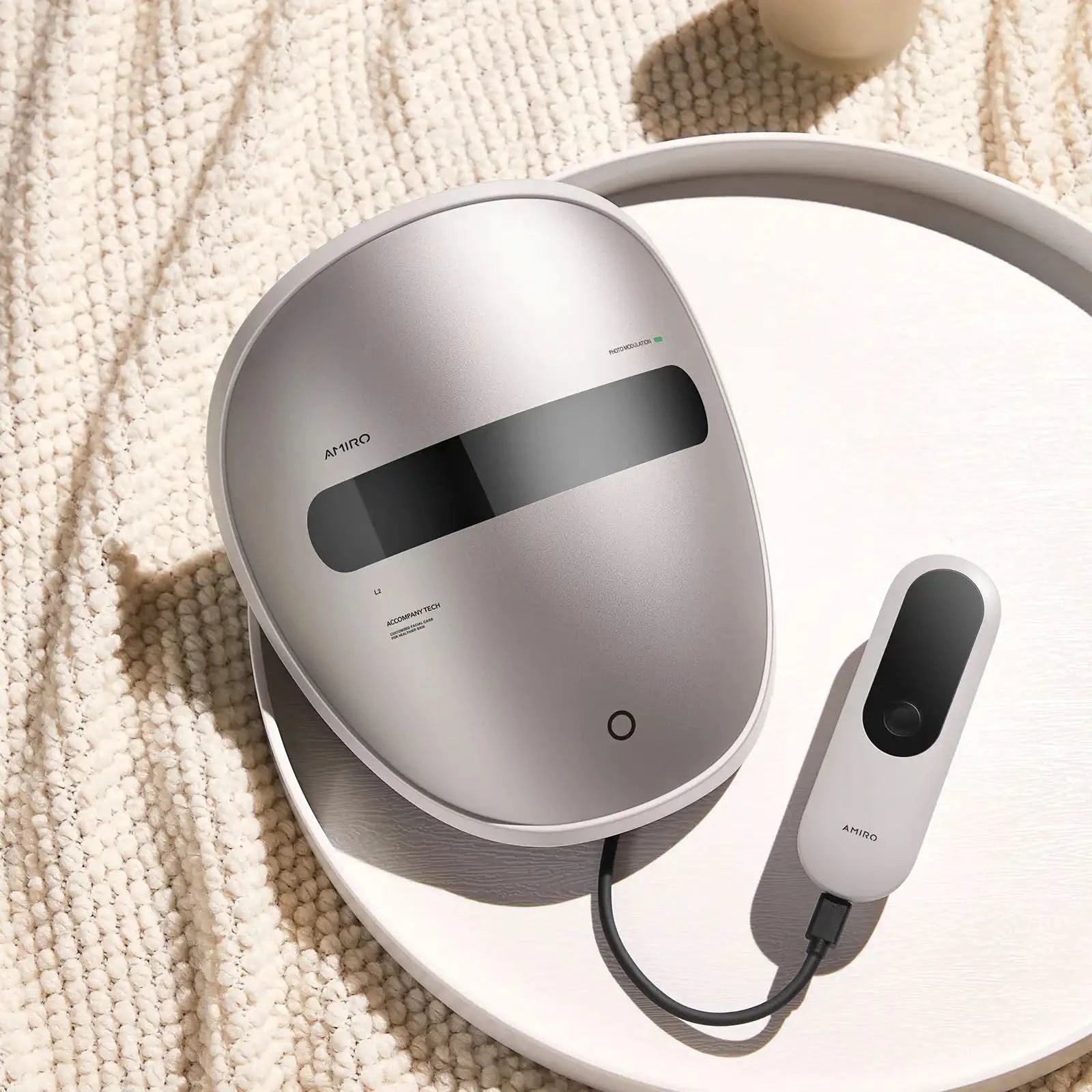
The company recommends using the mask three to five times per week and currently offers a 90-day money-back guarantee and one-year warranty.
Source: AMIRO Spectra
Why We Would Spend More on Ulike
At $299, ReGlow costs roughly $120 more. For that difference, you get a product with a directly traceable FDA history for wrinkle and acne treatment, 272 LEDs across four wavelengths, defined five- and eight-minute modes, a two-year warranty, and a 100-day guarantee.
AMIRO's specs are appealing, but we did not identify a public FDA 510(k) record directly matching the full-face Spectra model. That doesn't prove there is no applicable clearance; it means we couldn't independently verify one from the public records we reviewed.
We also wouldn't rank AMIRO above another mask simply because its advertised irradiance number is higher. Cross-device irradiance figures can be measured differently, and a large number does not tell you by itself whether the delivered dose, coverage, or treatment protocol is better.
AMIRO gives you more specifications for less money. Ulike gives us more confidence in the overall purchase.
Our value pick is Ulike ReGlow. Choose AMIRO instead if keeping the price under $200 matters more than having the stronger verification and warranty package.
What About Laser? JOVS 4D Is Different
JOVS 4D deserves a separate look because it isn't simply another LED mask. JOVS markets a VCSEL laser-oriented system using 660, 850, 940, and 1064 nm wavelengths delivered through 140 beams. The current direct price is $699, with 60-day returns and a one-year warranty.
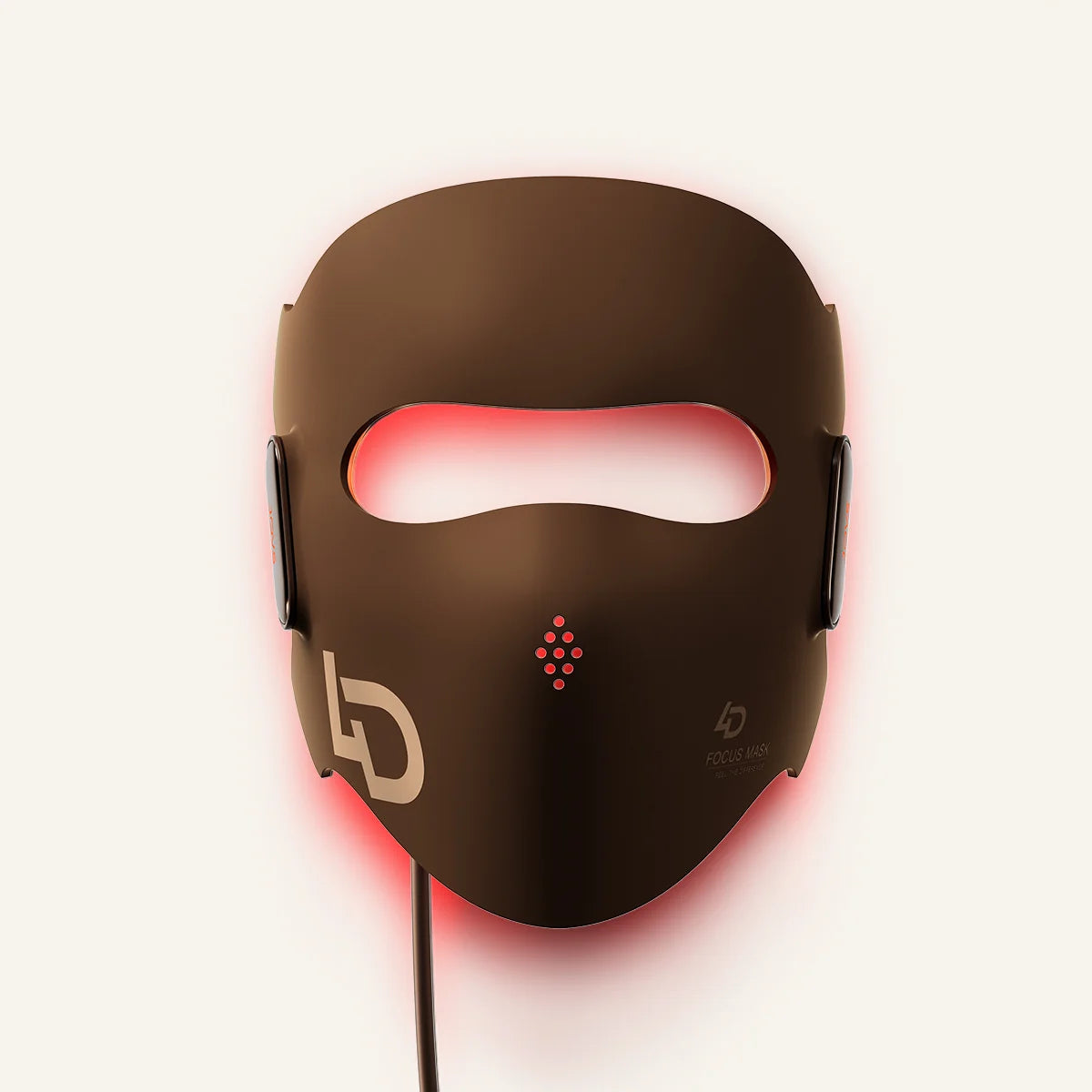
The regulatory picture needs one caveat. FDA K240360 clears model JM2 for wrinkle treatment, but FDA documentation tied to that device describes a 660/850 nm configuration. The current JOVS 4D retail page advertises 660/850/940/1064 nm.
Sources: FDA K240360 · FDA K244020 · JOVS 4D
JOVS also advertises 143 mW/cm² and positions VCSEL as more focused and powerful than conventional LED technology. The appeal is understandable: a narrower, laser-oriented delivery system sounds like a more advanced way to get light into the skin. But greater power or a narrower beam does not, by itself, establish better skin outcomes than the premium LED masks in this guide.
That makes JOVS more interesting for a technology-focused buyer than for someone who simply wants the safest mainstream recommendation. At $699, we'd want the technology itself to be part of the reason you are buying it.
Consider JOVS if you specifically want to explore a laser/VCSEL approach. For most buyers, the established LED options are easier to recommend.
Which LED Mask Differences Are Worth Paying For?
After comparing these masks, the buying priorities become simpler than the spec sheets suggest.
Usually Worth Paying For
- The right treatment for your concern
- A routine you'll consistently follow
- Better fit or useful treatment coverage
- Functions that change how you use the device
- Stronger supporting evidence
- Better warranty and return protection
Not Automatically Worth Paying For
- More LEDs
- More wavelengths
- Higher advertised irradiance
- More modes
- An app
- Premium materials
- Proprietary terminology or novelty by itself
The distinction is practical. Shark's cooling changes what the product does. Qure's zoning changes how you can target different facial areas. DDG's three-minute treatment changes the time commitment. CurrentBody's expanded coverage changes where the mask treats. Ulike's two-year warranty and 100-day guarantee reduce purchase risk at $299. Those are differences a shopper can use.
By contrast, another wavelength, a larger LED count, or a higher advertised irradiance figure may matter very little if it doesn't improve the treatment you need or the experience of using the mask. That's why this guide doesn't reward specification count for its own sake.
If a feature doesn't improve the treatment for your goal, make the device easier to use, reduce uncertainty, or improve ownership protection, it probably shouldn't decide the purchase.
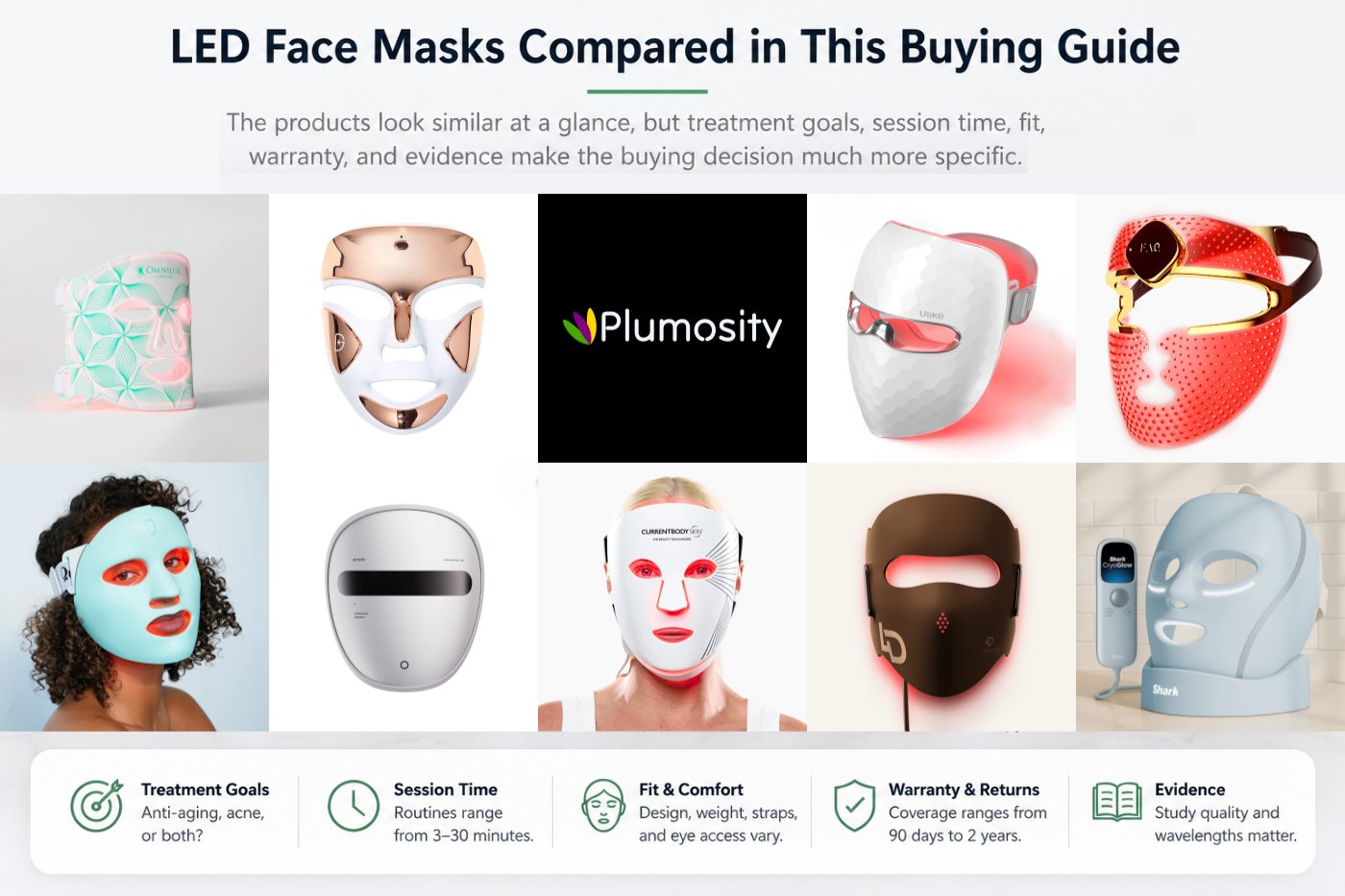
LED Face Masks Compared
This table brings the main buying differences into one place: what each mask is best for, key wavelengths, treatment goals and timing, FDA status, current price, warranty and returns, standout advantages, and the main tradeoff to consider.
Don't want to compare every specification? The next section turns these differences into nine simple buying paths.
| Product | Best For | Key Wavelengths | Treatment Goal | Treatment Time | FDA Status | Current Price | Warranty | Return Window | Standout Advantage | Main Caveat |
|---|---|---|---|---|---|---|---|---|---|---|
| Omnilux Contour Face | Focused anti-aging | 633 / 830 nm | Full-face wrinkles | 10 min, 3–5x/week initially | FDA-cleared: wrinkles K191629 |
$395 | 2 years | 30 days | Focused red/NIR treatment with strong clinical history | Less versatile |
| CurrentBody Series 2 | Feature-rich anti-aging | 633 / 830 / 1072 nm retail spec | Full-face wrinkles | 10 min, 3–5x/week | FDA-cleared: wrinkles K250966 |
$469.99 | 2 years | 60-day guarantee; 10% restocking fee | Added coverage + 1072 nm channel | Extra technology isn't proven superior |
| Shark CryoGlow | Aging + inflammatory acne / most buyers | 630 / 415 / 830 nm | Wrinkles + mild-to-moderate inflammatory acne | ~6.4 min aging / ~8.4 min clearing | FDA-cleared: wrinkles + acne K242796 |
$349.99 | 2 years | 60 days direct | Active under-eye cooling | Bulkier; slower than 3-min rivals |
| Qure Q-Rejuvalight Pro | Customization | Wrinkles: 605 / 630 / 660 / 880 nm; acne: 415 / 630 nm | Wrinkles + mild-to-moderate inflammatory acne | 3 min | FDA-cleared: wrinkles + acne K230042 |
$399 | 1 year | 30 days | Five facial treatment zones | Owner-reported battery/charging signal |
| Ulike ReGlow | Value around $300 | 465 / 590 / 630 / 830 nm | Wrinkles + inflammatory acne | 5 or 8 min by mode | FDA-cleared: wrinkles + acne K243492; K260511 Special |
$299 | 2 years | 100 days | Price + warranty + treatment balance | Less established category history |
| DDG FaceWare Pro | Routine simplicity | 415 / 605 / 630 / 880 nm | Aging + acne | 3 min | FDA database lists wrinkle + acne classifications; public premarket number not released | $455 | 1 year; registration required | 30 days | Very simple three-minute routine | Rigid construction |
| FOREO FAQ 202 | Premium usability | Red / blue / NIR + additional cosmetic modes | Wrinkles + acne | Up to 15 min; app routines vary | FDA-cleared: wrinkles + acne K240378 |
$799 | 2 years | 14 days; unopened/unused | Flexible wireless wearable design | Price + unresolved optical questions |
| AMIRO Spectra | Budget/spec value | 415 / 525 / 590 / 633 / 850 nm | Manufacturer positions for multiple concerns | 5 min per mode; 3–5x/week | No directly matching public 510(k) identified in our search | $179.99 | 1 year | 90 days | Large feature set for price | Less independently verifiable support |
| JOVS 4D Laser | Laser/VCSEL enthusiasts | Current retail: 660 / 850 / 940 / 1064 nm | Wrinkle treatment | Protocol varies | JM2 FDA-cleared; current 4-wavelength mapping unclear K240360 |
$699 | 1 year | 60 days | Different VCSEL/laser approach | Current regulatory configuration needs interpretation |
Commercial terms can change, and guarantees may have conditions, restocking fees, registration requirements, or hygiene restrictions. Check the seller's current terms before buying.
Which One Should You Choose?
Start with the priority that sounds most like you.
Focused anti-aging
Our first choice if visible signs of aging are your main concern.
Feature-rich anti-aging
Choose it for the updated fit, broader coverage, and added 1072 nm channel.
The best overall choice for aging + inflammatory-acne treatment without a specialized priority.
Customization
Best if you want five facial treatment zones and three-minute sessions.
Fastest routine
Choose it if treatment time is the main barrier: each session takes three minutes.
Value around $300
Our value pick if you want wrinkle + acne treatment while keeping the price around $300.
Premium usability
Choose it for the wearable design and flexibility—not because $799 guarantees better results.
Most features under $200
The budget/spec choice if getting the largest feature set for the lowest price matters most.
Laser / VCSEL
The wildcard if you specifically want to explore a laser-oriented alternative to conventional LED masks.
Buy the Treatment, Not the Technology Story
The LED-mask market encourages you to compare LED counts, wavelengths, irradiance figures, apps, modes, and proprietary technologies. Those details can matter, but only when they improve the treatment for your concern, make the device easier to use, reduce uncertainty, or improve the ownership experience.
That's why Omnilux is our focused anti-aging pick even though CurrentBody adds more technology. It's why Ulike beats AMIRO for overall value despite AMIRO's lower price and longer spec sheet. And it's why Shark CryoGlow is our recommendation for most buyers: wrinkle + inflammatory-acne treatment, manageable session times, useful cooling, a two-year warranty, and a $349.99 price form the best overall package in this group.
More specialized buyers have good reasons to choose CurrentBody, Qure, DDG, Ulike, FOREO, AMIRO, or JOVS instead. The right choice depends on what you want to treat and what you'll realistically use.
Pay more when the difference improves the treatment, the experience, or your odds of sticking with it.
Frequently Asked Questions
Still have a question? These are the answers most likely to matter before you buy.
Do LED face masks actually work?
There is meaningful scientific evidence supporting particular forms of red, near-infrared, and blue light therapy for relevant skin concerns. Studies have reported improvements in photoaged skin with 633/830 nm treatment, while controlled research supports blue/red LED treatment for acne. That doesn't mean every consumer mask performs equally well; the device, wavelengths, dose, and treatment protocol still matter.
Which LED face mask is best for wrinkles?
Our focused anti-aging pick is Omnilux Contour Face. CurrentBody Series 2 is the alternative we'd choose if its added coverage, updated fit, and 1072 nm channel matter more to you. We don't have a head-to-head trial proving one of these current masks works better than the other.
Which LED face mask is best for acne and wrinkles?
Shark CryoGlow is our default recommendation. It combines FDA-cleared wrinkle + inflammatory-acne treatment with a $349.99 price, two-year warranty, manageable treatment times, and under-eye cooling. Qure is more customizable, DDG is faster, and Ulike costs less.
Can an LED mask treat both wrinkles and acne?
Some can. Red and near-infrared light are commonly used for photoaging, while blue light has particular relevance to inflammatory acne. Shark, Qure, Ulike, and FOREO all have regulatory positioning that covers both concerns. Don't assume every red-light mask is also an acne-treatment device.
Does FDA clearance mean an LED mask works better?
No. FDA clearance tells you something about the device's regulatory status and intended use. It does not prove that one cleared mask works better than another. We treat it as one part of the buying decision, not a ranking system. A product can have a clear FDA record and still be a worse fit for you on treatment time, price, comfort, warranty, or features.
Is more red-light intensity better?
Not automatically. Irradiance has to be considered alongside treatment duration, total dose, coverage, device geometry, and how the measurement was taken. A single advertised mW/cm² figure isn't enough to rank these masks.
Are more wavelengths better?
Not by themselves. An extra wavelength matters when it gives the device a useful treatment function for your goal. More colors on the box do not automatically mean better results.
How often should you use an LED face mask?
Follow the protocol for the specific device. Omnilux and CurrentBody recommend 10-minute sessions three to five times per week during their initial treatment periods. Qure and DDG use three-minute sessions. Ulike recommends three sessions weekly, with five- or eight-minute modes. Shark's Better Aging and Skin Clearing routines are designed for daily use during the initial treatment period.
Who should check the safety guidance before using an LED face mask?
Everyone should read the instructions for the exact device because contraindications differ. Manufacturer guidance commonly flags photosensitivity, photosensitizing medications or skincare, certain eye conditions, recent procedures, damaged or inflamed skin, and pregnancy or breastfeeding where the device hasn't been studied.
If you're unsure whether a medication, skin condition, eye condition, or recent procedure affects your suitability, follow the device guidance and ask an appropriate healthcare professional before use.
Are expensive LED masks worth it?
Sometimes. A higher price is easier to justify when it buys treatment capabilities you need, stronger support for the product, better fit or usability, a shorter routine, a useful feature, or better warranty and return protection. It's harder to justify when you're mainly paying for a longer spec sheet. FOREO is a good example: its premium is easiest to defend on usability, while Omnilux earns its price through a more focused anti-aging proposition.
Source approach: Where a claim materially affects a recommendation, this guide links to the relevant FDA record, peer-reviewed study, manufacturer documentation, independent technical test, or owner-review source. Manufacturer clinical claims are treated as manufacturer evidence unless independently published research supports them.
Note: Prices, warranties, return policies, product specifications, and regulatory information were checked in August 2026 and may change. Always review current manufacturer instructions, contraindications, purchase terms, and product information before buying or using an LED face mask.
Some links in this article may be affiliate links, which means Plumosity may earn a commission—at no extra cost to you—if you make a purchase through them. Our recommendations are based on the product differences, supporting evidence, usability considerations, and buying factors discussed throughout this guide.